

Medically reviewed by Dr. Dean Severidt, Director of Medical Excellence, on September 16, 2026
Winter looks different depending on where you live. You may not see snow or deep freezes, but cooler mornings, chilly evenings, and sudden temperature swings can still affect your pet.
A few simple cold-weather pet safety steps, like checking paws after a walk or moving a bed away from a drafty window, can help keep them comfortable as temperatures drop.
Winters in Long Beach are mild, but cool, damp mornings, winter rain, and chilly evenings near the coast can still catch pets off guard.
At Joyful Paws Pet Hotel & Daycare, our 12,000-square-foot facility offers daycare, boarding for dogs and cats, and grooming.
None of this requires an overhaul of your routine. Here's how to get your pet ready for colder weather.
How Cold Is Too Cold for Your Dog or Cat?
There's no single temperature that tells you when it's too cold for every dog. How cold is too cold for a dog to be outside depends on the individual dog, the conditions, and how long they're exposed. Size, age, coat, and how acclimated they are to cold weather all affect their tolerance.
Watch your dog's behavior outside rather than the thermometer. Shivering, slowing down, tucking their tail, or resisting a walk are signs they're ready to head in.
In very cold conditions, prolonged exposure can also lead to hypothermia or frostbite. Hypothermia occurs when a pet's body temperature drops dangerously low, while frostbite damages skin and underlying tissue. Frostbite most often affects areas such as the ears, paws, tail, and nose.
Cats tend to do best staying indoors when it's cold out. If yours spends time outside, watch for the same cues: seeking shelter, moving less, or asking you to come in sooner than usual. For indoor cats, comfort might be as simple as moving their favorite sleeping spot away from a drafty door or window.
A cleared path makes days with frost, ice, or the occasional snow easier too, especially for small dogs. Sweeping or clearing the worst of it means less hesitation at the door and a faster bathroom break for everyone.
Winter Paw Care for Dogs
Your dog's paws touch every surface you walk across, and cold, rough, or icy ground can affect their comfort even without snow on the ground. Dog boots or booties can provide another layer of protection from cold, ice, salt, and other surface irritants. If you use them, make sure they fit comfortably and give your dog time to get used to wearing them before heading outside.
In extreme cold, dogs can also develop frostbite on their paws, especially with prolonged exposure to freezing temperatures.
After a walk, check paw pads for redness, cracks, or tenderness, and look between the toes for any irritation or debris. If sidewalks near you get treated with salt or ice melt, wipe paws down afterward. These products can irritate skin, and pets often lick their paws clean, which can cause additional problems. If pads look cracked, swollen, or seem tender to the touch, it's worth a quick visit to your veterinarian.
Does Your Dog Need a Sweater This Winter?
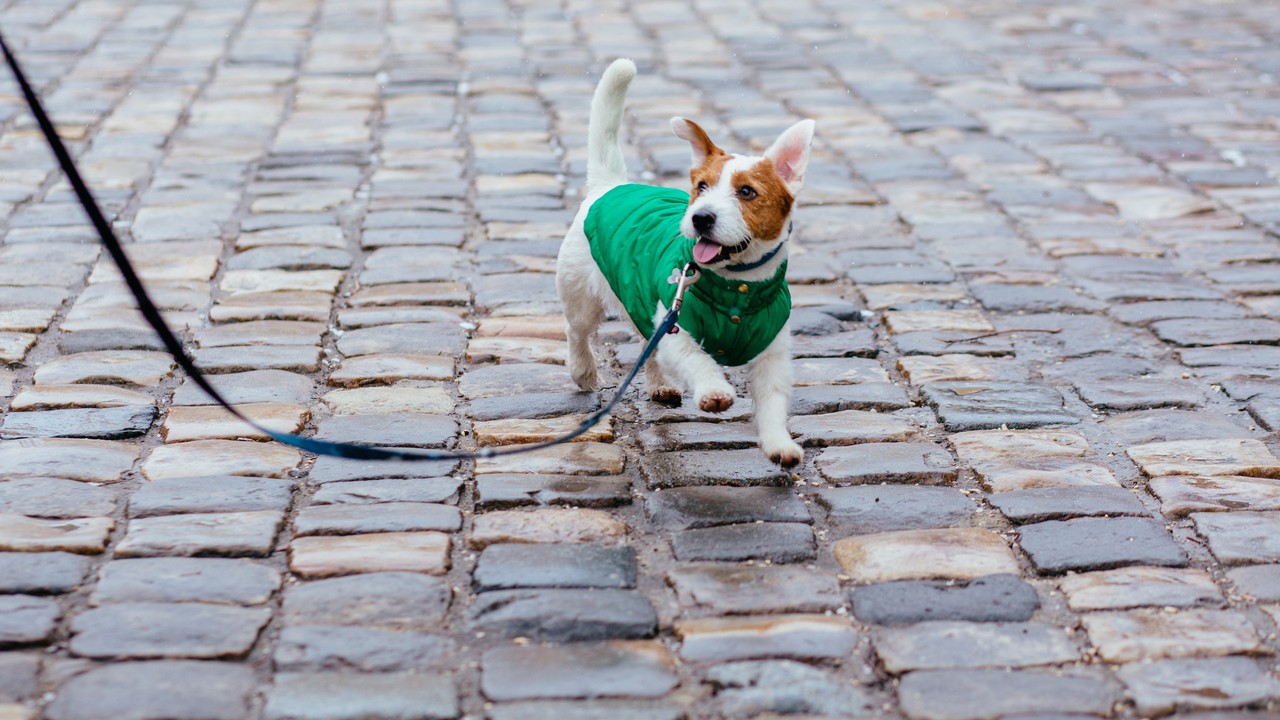
Pets in milder climates often get less practice handling cold, which can make even a moderate chill feel like more of an adjustment. Small dogs, seniors, and short-coated breeds are usually the ones who'll appreciate an extra layer on brisk mornings.
Fit matters more than style. A sweater or coat should move with your dog, not restrict their shoulders or rub against their skin. Give them a day or two to get used to wearing one and never leave a dog unsupervised in clothing that could snag on something.
Cold Weather Walking Tips for Dogs in Long Beach, CA
The coldest part of your day is often early morning or after the sun goes down. You don't necessarily have to skip those walks, just pay attention to conditions and how your dog responds.
A dog who's perfectly comfortable on an afternoon walk may be less so on a chilly morning. If they're shivering, lifting their paws, or reluctant to continue, shorten the outing and head somewhere warm and dry.
Winter also means shorter daylight hours. If you're walking before sunrise or after sunset, reflective gear or a reflective collar makes you and your dog easier for drivers to spot.
Indoor Activities for Dogs and Cats in Winter
Even in a mild winter, cold spells or early evening darkness can cut a walk short. Your pet still needs opportunities for physical activity and mental engagement on those days.
A few easy options:
Short training sessions with treats and positive reinforcement
Food puzzles or slow feeders
A round of fetch or hide-and-seek somewhere safe indoors
Letting your dog sniff around new corners of the house
Rotating toys so old favorites feel new again
Daycare for dogs who enjoy social play and group activities
The American Animal Hospital Association points to puzzle toys, training, and interactive games as solid ways to keep pets mentally engaged when outdoor time is limited.
Cats do well with the same idea. Food puzzles, a window perch, or a few minutes of wand-toy play can provide a lot of enrichment.
Giving Your Dog or Cat a Warm Place to Rest
You don't need to turn your home into a winter retreat. Start with the spot your pet already loves. If it's near a drafty door or window, or right on a cold floor, move their bed somewhere warmer close by, or raise it up a few inches.
Older pets and pets with arthritis can feel stiffer when it's cold. A warm, cushioned bed gives them a cozy place to rest between activities.
Before they curl up, make sure they're dry. If your dog comes in damp from a walk, give them a quick towel-dry, especially around the paws and between the toes. A dry coat keeps their bed dry and cozy, and they'll settle in faster.
Cats often find a warm spot on their own. Just make sure it's a safe one, not inside a clothes dryer or too close to a space heater.
Keeping Your Pet's Water from Freezing
If your pet spends time outdoors and temperatures dip below freezing, even briefly, check outdoor water bowls more than once a day. Water can freeze faster than you'd expect, even during a short cold spell.
Indoors, keep bowls full and easy to reach. Cats especially tend to drink more from moving water, so a fountain can help keep them interested.
Antifreeze and Ice Melt: Winter Hazards for Pets
Antifreeze is a real winter hazard even without snow on the ground. Ethylene glycol, the main ingredient in traditional antifreeze, has a sweet taste that can draw dogs and cats in. Store it securely and clean up spills right away.
De-icing products deserve the same level of caution. Even in milder climates where heavy snowfall is rare, homeowners and businesses may lay down salt or ice melt for light frost and slick walkways. Ingredients vary by brand, so even products labeled pet-friendly or pet-safe can cause upset stomachs or skin irritation if ingested. Store ice melt bags or shakers securely out of reach and sweep up any loose granules.
If you know or suspect your dog or cat got into these chemicals, don't wait to see if symptoms show up. Call your vet or an animal poison control hotline right away and let them guide you on next steps.
Check Under Your Car for Cats in Cold Weather
If you have outdoor or neighborhood cats nearby, check around your car before starting it. Cats sometimes seek warmth underneath or near the engine. Cornell University's College of Veterinary Medicine recommends knocking on the hood or honking the horn before starting your engine in cold weather, just to give any cat a chance to move.
Winter Pet Safety Checklist
Here's a quick recap to keep handy as temperatures dip:
Bring pets in at the first sign of cold.
Check and wipe paws after walks.
Add a sweater for small, senior, or short-coated dogs.
Keep chilly walks short and wear reflective gear after dark.
Plan indoor play on cold or dark days.
Move beds away from drafts and cold floors.
Check outdoor water bowls when temperatures dip below freezing.
Store antifreeze and ice melt out of reach.
Knock on your car hood before starting the engine.
A little attention now means fewer surprises later, and a pet who's just as comfortable in January as they were in October.
Want a warm, safe place for your dog or cat this winter? Book daycare, boarding, or grooming at Joyful Paws Pet Hotel & Daycare in Long Beach, CA.
Frequently Asked Questions About Winter Pet Care
How do I know if my dog or cat is too cold?
Watch your dog's behavior instead of the thermometer. Shivering, slowing down, tucking their tail, or resisting a walk are signs they're ready to head in. Cats show similar cues, seeking shelter, moving less, or asking to come in sooner than usual.
What are the signs of hypothermia or frostbite in pets?
Signs of hypothermia can include shivering, weakness, pale or cool skin, lethargy, confusion, and slow breathing. Signs of frostbite can include skin discoloration, swelling, and pain when touched. Frostbite most commonly affects the ears, paws, tail, and nose. If you suspect hypothermia or frostbite, bring your pet indoors and contact your veterinarian promptly.
Does my dog need a sweater this winter?
It depends on the dog. Small dogs, seniors, and short-coated breeds are usually the ones who'll appreciate an extra layer on brisk mornings. Fit matters more than style. A sweater or coat should move with your dog, not restrict their shoulders or rub against their skin.
Is antifreeze dangerous for dogs and cats?
Yes. Ethylene glycol, the main ingredient in traditional antifreeze, has a sweet taste that can draw dogs and cats in. Store it securely and clean up spills right away, and if you suspect your pet got into it, call your vet or an animal poison control hotline immediately.
Is ice melt safe for dogs and cats?
Not always. Ingredients vary by brand, so even products labeled pet-friendly or pet-safe can cause an upset stomach or skin irritation if ingested. Wipe your dog's paws after walks on treated sidewalks, store ice melt out of reach, and sweep up any loose granules.
How can I keep my dog or cat active during winter?
Food puzzles, short training sessions, a round of fetch or hide-and-seek indoors, and rotating toys all help keep your dog engaged on cold or dark days. Cats do well with food puzzles, a window perch, or a few minutes of wand-toy play.
Sources
American Animal Hospital Association. “Cold Weather Pet Safety Tips for Dogs and Cats.” December 17, 2024. AAHA
Cornell University College of Veterinary Medicine. “Winter Safety Tips.” Cornell University College of Veterinary Medicine
Cornell University College of Veterinary Medicine. “Keeping Your Furry Friends Safe During Winter Weather.” January 29, 2021. Cornell University College of Veterinary Medicine